Anesthesia, Pre-Operative Testing & Surgical Requirements
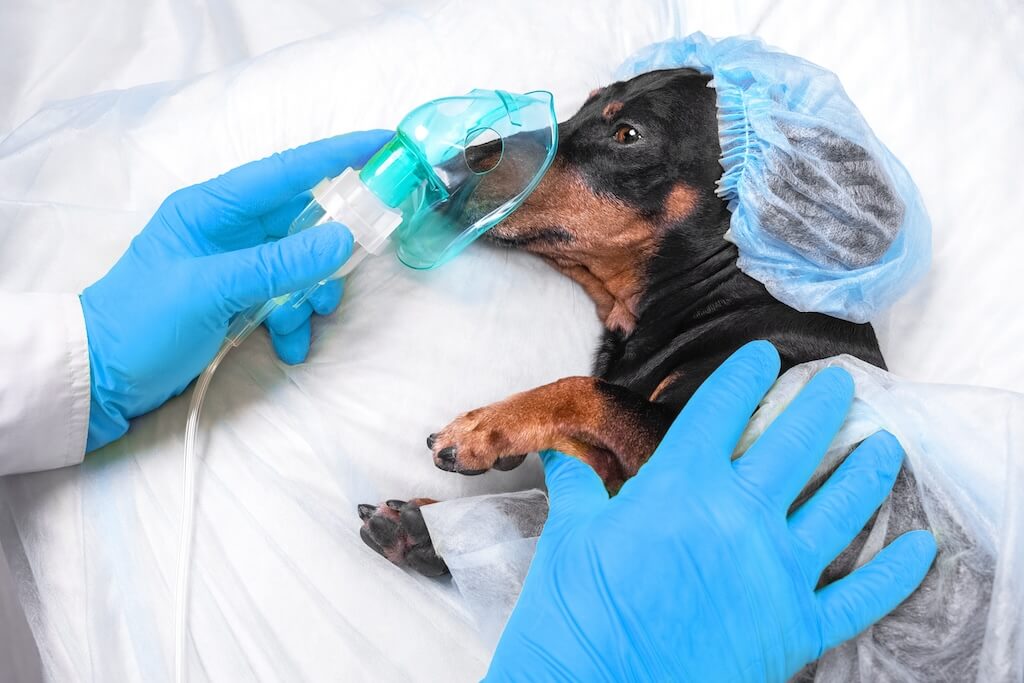
At SAVA Animal Hospital, your pet's safety is our highest priority. Modern anesthesia, combined with advanced monitoring equipment and individualized anesthetic protocols, has made surgery safer than ever before. Before anesthesia, every patient receives a thorough physical examination by one of our veterinarians. We evaluate your pet's heart, lungs, temperature, hydration, and overall health to identify anything that could increase anesthetic risk. We then tailor the anesthetic medications and dosages specifically to your pet's age, breed, medical history, and individual health status.
Pre-operative blood testing is one of the most important steps we take to help ensure your pet's safety during anesthesia. Bloodwork allows us to evaluate organ function—especially the liver and kidneys—which are responsible for processing anesthetic medications. Even pets that appear completely healthy can have underlying conditions that cannot be detected during a physical examination alone. Identifying these problems before anesthesia allows us to modify the anesthetic plan, recommend additional supportive care when appropriate, or postpone an elective procedure until any medical concerns have been addressed.
To allow adequate time for our doctors to review results and address any abnormalities before the day of surgery, pre-operative bloodwork must be completed at least one week before the scheduled procedure and may be performed up to three months beforehand, provided your pet has not experienced any significant changes in health during that time. For senior pets or those with known medical conditions, additional diagnostics such as an electrocardiogram (ECG), chest radiographs (X-rays), blood pressure measurement, or additional laboratory testing may also be recommended to ensure anesthesia can be performed as safely as possible.
Because your pet will be spending time in the hospital with other patients, we require all surgical patients to be appropriately vaccinated before their procedure. Dogs must be current on Rabies, Distemper (DHPP), and Bordetella vaccines, while cats must be current on Rabies and Feline Distemper (FVRCP) vaccines. These requirements help protect your pet during hospitalization while also reducing the risk of transmitting contagious diseases to other patients in our care. If your pet is not current on the required vaccinations, our team will discuss the available options with you before scheduling surgery.
To reduce the risk of vomiting and aspiration while under anesthesia, your pet must have an empty stomach before surgery. Please withhold all food for 8–10 hours before the scheduled procedure. Fresh water may remain available until the morning of surgery unless your veterinarian instructs otherwise. If your pet is diabetic, very young, or has another medical condition requiring a different fasting schedule, please follow the specific instructions provided by our team.
If you have any questions before your pet's procedure, please contact us. We are happy to discuss our anesthetic protocols, explain our recommendations, and answer any concerns you may have.
Will my pet have stitches?
For many surgeries, we use absorbable sutures underneath the skin. These will dissolve on their own, and do not need to be removed later. Some surgeries, especially tumor removals, do require skin stitches. With either type of suture, you will need to keep an eye on the incision for swelling or discharge. Most dogs and cats do not lick excessively or chew at the incision, but this is an occasional problem you will also need to watch for. If there are skin sutures, these will usually be removed 10 to 14 days after surgery. You will also need to limit your pet's activity level for a time and no baths are allowed for the first 10 days after surgery.
Will my pet be in pain?
Anything that causes pain in people can be expected to cause pain in animals. Pets may not show the same symptoms of pain as people do; they usually don't whine or cry, but you can be sure they feel it. Pain medications needed will depend on the surgery performed. Major procedures require more pain relief than things like minor lacerations.
For dogs, we may recommend an oral anti-inflammatory for several days after surgery to lessen the risk of discomfort and swelling. We use newer medications, which are less likely to cause stomach upset and can be given even the morning of surgery.
Because cats do not tolerate standard pain medications such as aspirin, ibuprofen, or Tylenol, we are limited in what we can give them. Recent advances in pain medications have allowed for better pain control in cats than ever before. We administer a pain injection 10 minutes prior to surgery. After surgery, pain medication is given on a case by case basis. Any animal that appears painful will receive additional pain medication.
Injectable pain medications may also be used after surgery on both dogs and cats. Providing whatever pain relief is appropriate is a humane and caring thing to do for your pet.
What other decisions do I need to make?
While your pet is under anesthesia, it is the ideal time to perform other minor procedures, such as dentistry, ear cleaning, or implanting an identification microchip. If you would like an estimate for these extra services, please call ahead of time. This is especially important if the person dropping the pet off for surgery is not the primary decision maker for the pet's care.
When you bring your pet in for surgery, we will need to 5 to 10 minutes of time to fill out paperwork. When you pick up your pet after surgery you can also plan to spend about 10 minutes to go over your pet's home care needs.
We will call you the night before your scheduled surgery appointment, to confirm the time you will be dropping your pet off and to answer any questions you might have. In the meantime, please don't hesitate to contact us with any questions about your pet's health or surgery.
Helping Your Pet Feel Comfortable During Their Visit
At SAVA Animal Hospital, we know that vet visits can sometimes be stressful for pets—and for you. That’s why we offer Comfort Packs to help make the experience as calm and positive as possible. Your pet’s emotional well-being is just as important to us as their physical health.
How Comfort Packs Help
The medications in our Comfort Packs are safe, effective, and designed to reduce anxiety and stress:
- For cats: Gabapentin provides gentle sedation, eases anxiety, and offers pain relief.
- For dogs: A combination of gabapentin and trazodone helps promote relaxation and reduce fear. Cerenia decreases nausea and helps your pet feel more comfortable.
A relaxed pet allows us to use lower doses of anesthesia during surgery, making the procedure even safer.
Medication Instructions
To ensure the best experience for your pet, please follow these guidelines:
- Night before surgery: Give one dose at bedtime to help them rest comfortably. For dogs, give the Cerenia at bedtime also.
- Morning of surgery: Give the second dose about 2 hours before drop-off.
It’s normal for your pet to seem sleepier at home after taking the medication. However, the excitement of the car ride and arrival at the hospital usually balances this out.
If you have any questions about Comfort Packs or your pet’s upcoming visit, feel free to reach out. We’re here to make every experience as stress-free as possible for both you and your pet.
Contact us today to learn more!