
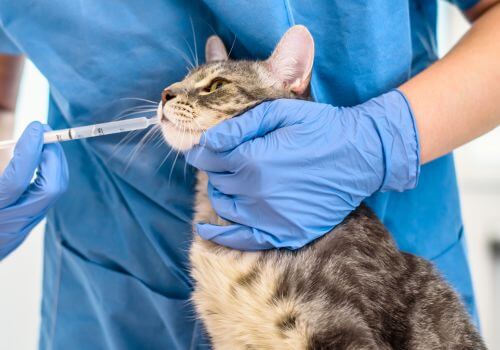
Cats tend to be very stoic and hide signs of pain, which can make it hard for pet owners to know when something's wrong. Subtle changes in behavior or activity are often the only clues. If you notice your cat becoming less social than usual or spending more time tucked away in their favorite hiding places, they could be in pain or experiencing a health issue. At SAVA Animal Hospital in Toms River, NJ, we help cat owners recognize the signs of discomfort and get their pets the relief they need.
On this page, we'll cover common symptoms of pain in cats, how veterinarians diagnose the cause, and what treatment options are available to help your cat feel better and stay comfortable.
How to Know if Your Cat is in Pain
Cats are notorious for hiding their discomfort, so it is important to pay attention to changes in your pet's behavior, as they could indicate pain. Here are some signs and symptoms of pain in cats:
- Behavioral changes:
- Hiding more than usual, seeming grumpy or irritable, avoiding family members, or not wanting to be picked up or petted.
- Changes in grooming: Grooming less than normal, neglecting their coat, focusing on one particular area, or excessively licking a specific spot.
- Changes in activity: Sleeping more, playing less, moving around less, seeming restless, or having trouble finding a comfortable position.
- Litter box changes: Having accidents outside the litter box or changes in how often they urinate or defecate.
- Changes in appetite: Eating less, showing less interest in food, or losing weight.
- Less interest in daily life: Not wanting to play, explore, or interact with people and other pets as much as they normally would.
- Changes in vocalization: Meowing more than usual, crying out, growling, hissing, or making sounds that seem unusual for your cat.
- Changes in posture or body language: Moving stiffly, crouching, hunching their back, holding their head lower than normal, or appearing tense.
- Avoiding certain activities: Hesitating to jump onto furniture, climb stairs, or do things they previously enjoyed.
- Excessive licking or chewing: Repeatedly licking, chewing, or biting at a painful area, sometimes causing irritation or hair loss.
If you suspect your cat is experiencing pain, contact your veterinarian as soon as possible for proper diagnosis and treatment. The faster you act, the sooner your feline friend will be back to feeling like themself again.
Why It's Important to Avoid Self-Diagnosing Pain in Your Cat
The internet provides a wealth of information, and many pet owners may be tempted to use this information to self-diagnose their cats' pain. However, self-diagnosing can lead to a delay in obtaining proper veterinary care, providing incorrect treatment that could cause your cat to feel worse or worsen the problem, and potentially fatal consequences.
Be aware of subtle symptoms of pain, as your cat may not display outward signs unless the pain is acute or intense. If your cat displays any of the above signs or experiences a sudden change in habits and routines, contact your veterinarian right away. Attempting to self-diagnose your cat and delaying appropriate veterinary care could be fatal. Even in less severe cases, your cat's discomfort will likely continue to worsen if you don't seek help from a vet.
How a Veterinarian Will Know if Your Cat is in Pain
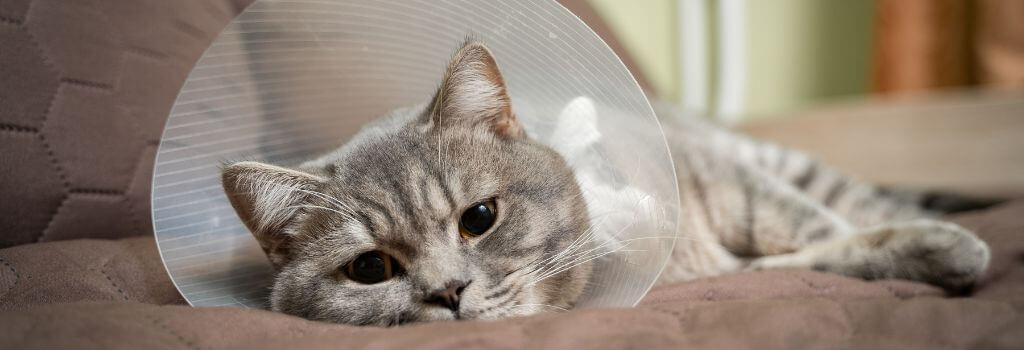
Veterinarians rely on careful observation of a cat's behavior, posture, facial expressions, and interactions with humans to assess pain levels. They also use pain scoring scales and pain management guidelines to evaluate the degree of a cat's discomfort and promote a standard of care for patients. Objective measures of pain, such as changes in heart rate, blood pressure, and plasma cortisol levels, can also be used but may be influenced by other factors like fear, stress, anesthesia, or pharmacologic interventions.
In addition to assessing the degree of pain your cat is feeling based on behavioral signs and objective measurements, your veterinarian will perform a physical examination to determine the cause of a cat's discomfort. This includes examining the area where the cat is exhibiting signs of pain as well as checking other areas for abnormalities that could indicate potential causes of pain, such as infections or inflammation. Depending on the veterinarian's findings during the exam, additional testing may be necessary for diagnosis (e.g., radiographs or laboratory tests).
Possible Conditions That Cause Cat Pain and Treatment Options
Many different health conditions can cause pain in cats. Some of the more common causes include:
Arthritis: As cats age, their joints can become stiff and uncomfortable. Treatment may include pain medications, weight management, joint-support therapies, acupuncture, and lifestyle adjustments to help keep your cat comfortable and active.
Injuries: Falls, sprains, bites, or other injuries can be painful. Depending on the problem, treatment may involve rest, pain relief, physical rehabilitation, or sometimes surgery.
Urinary Tract Problems: Bladder stones, urinary tract infections, and urinary blockages can be extremely painful and may become emergencies. Treatment may include medications, dietary changes, increased hydration, or procedures to remove an obstruction.
Digestive Disorders: Stomach and intestinal problems can lead to abdominal discomfort, nausea, and decreased appetite. Treatment may involve dietary changes, medications, hydration support, and management of any underlying disease.
Dental Disease: Dental disease is one of the more common causes of chronic pain in cats. Tartar buildup, infected teeth, gum disease, and tooth resorption can all cause discomfort. Professional dental care and treatment of diseased teeth can significantly improve a cat's comfort and quality of life.
Infections: Infections affecting the skin, ears, mouth, urinary tract, or other parts of the body can cause significant discomfort. Treatment typically focuses on addressing the infection while also helping your cat feel more comfortable during recovery.
Cancer: Some cancers can be painful, especially as they progress. Treatment options vary depending on the type and location of the cancer and may include surgery, medications, chemotherapy, radiation therapy, or supportive care focused on maintaining quality of life.
Temperature-Related Injuries: Exposure to extreme heat or cold can be uncomfortable and potentially dangerous. Providing a safe indoor environment, fresh water, shade, and comfortable bedding can help prevent these problems.
Types of Pain Medications Your Veterinarian Might Prescribe
Non-steroidal anti-inflammatory drugs (NSAIDs) are the most commonly used and effective type of pain medication for cats. NSAIDs work by inhibiting inflammatory substances called prostaglandins, which cause pain, inflammation, and fever. Potential side effects include gastrointestinal disturbance (vomiting, diarrhea, bloody or dark-colored feces), liver/kidney failure. Never give your cat over-the-counter pain medication unless directed to do so by your veterinarian.
Opioids work by blocking a cat's ability to recognize pain and are prescribed in rare cases. Examples include Buprenorphine, Morphine, and Codeine. They are generally used only in severe cases on a short-term basis due to DEA regulations and the development of tolerance in pets.
Steroids can be used to control inflammation that can cause severe pain, but they are often avoided, as they can have serious side effects like increased thirst/appetite/urination, weight gain, increased risk of infection, delayed wound healing, behavioral changes, and more.
In addition to NSAIDs, opioids, and steroids, other medications may also be prescribed depending on what's causing your cat's pain.
The Most Important Consideration When it Comes to Cat Pain Management
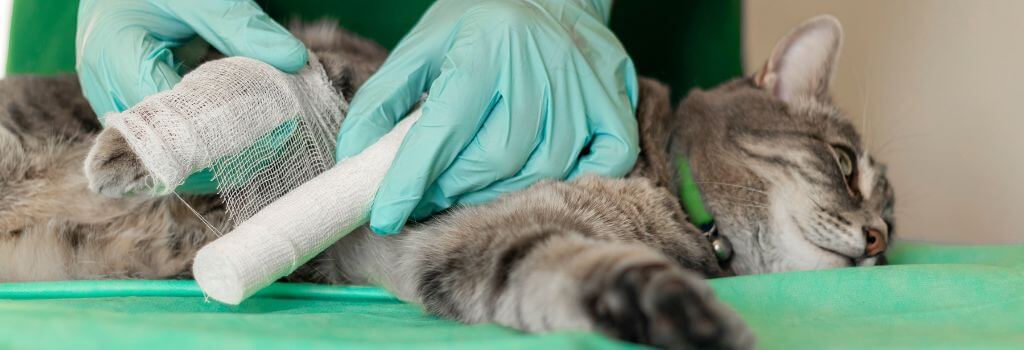
The most important consideration when it comes to cat pain management is recognizing the unique ways cats express pain while considering the human-cat bond and minimizing stress. Utilizing a multimodal approach, including appropriate medications and environmental modifications, can help your feline friend live a comfortable and pain-free life.
We understand how painful conditions can affect our feline companions, which is why we strive to deliver the highest quality of care in a compassionate manner. Our team of experienced veterinarians will work with you to develop an individualized plan that addresses your cat's specific needs to restore their comfort and improve their quality of life.
Identifying signs of pain in cats and seeking help from your veterinarian is essential in ensuring your cat receives the best care possible. Watch for behavioral changes, and seek prompt veterinary care if you think something is wrong. Avoid self-diagnosing, as it can lead to incorrect treatment and potentially serious consequences.
If you live in or near Toms River, NJ, and are looking for quality pet care, come visit us at SAVA Animal Hospital, where your pet is our priority. Contact us at (732) 244-3344 to set an appointment, or email us at [email protected]. Our staff would love to talk with you! Don't forget to follow us on social media: Facebook, Instagram.