Knowing your dog will require anesthesia for an upcoming procedure comes with a great deal of worry and uncertainty, especially if your dog has never previously been under anesthesia. While a rare complication can arise based on the dog's health, breed, age, and size, procedures requiring anesthesia are safe for dogs and routine for veterinarians. To ease your concerns, you might have visited search engines for insight. At SAVA Animal Hospital, we work hard to present reliable information you can trust. To avoid online misinformation that could worry you even more, we've taken FAQs about dog anesthesia and answered them as thoroughly as possible, so you have factual information.
If you're looking for a highly trained veterinarian in Toms River, NJ, we'd love to see your dog for an examination before any surgical needs, so please call us at (732) 244-3344.
What are the different types of anesthesia?
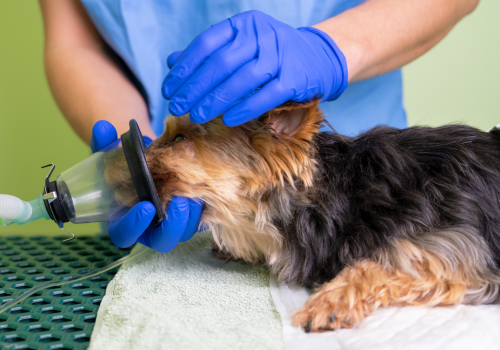
As veterinarians, we use a few different forms of dog sedatives or anesthesia. First, we administer pre-anesthetic medication to calm your pet and to help with pain management. The pre-anesthetic also helps your dog wake up more smoothly after their procedure. Then we administer induction anesthesia, which puts the dog to sleep to be intubated and started on general anesthesia. General anesthesia is typically a gas that is safely delivered by an endotracheal tube.
Administering different types of anesthesia in stages allows us to use fewer drugs overall and makes anesthesia safer for your canine companion.
When would my dog need anesthesia?
Dogs require anesthesia when they undergo surgery and other types of painful procedures, such as wound repair requiring stitches, a dental procedure requiring x-rays, and keeping their mouth open for an extended period. A veterinarian might also recommend anesthesia when a dog needs diagnostic imaging if it's unlikely they'll remain still long enough for the team to take the images.
Are particular dog breeds more sensitive to anesthesia?
Some dog breeds are more sensitive to anesthesia, such as sighthounds and greyhounds. They are prone to hyperthermia when given certain types of sedation or anesthesia and may experience prolonged recoveries. In addition, smushed-face breeds (brachycephalic) such as English bulldogs have compromised breathing and therefore have higher airway-related complicate rates.
What do I need to know before my dog goes in for an anesthetic procedure?
Before your dog goes in for a procedure requiring anesthesia, your veterinarian will perform a complete physical examination to help assess any risk. This will include blood work, such as a blood chemistry profile, complete blood count (CBC), and electrolyte testing. It is also important to share your dog's complete medical history with the veterinarian performing the procedure, including any medications, supplements, or allergies.
To help reduce stress and improve your dog's comfort, we will send home a comfort pack prior to the procedure. This typically includes an anti-nausea medication to be given the night before surgery, as well as a mild sedative to be given the night before and again the morning of the procedure. These medications help reduce anxiety, make the trip to the hospital less stressful, and allow for a smoother anesthetic experience.
Once your veterinarian has cleared your dog for the procedure, you will be asked to withhold food overnight. Water is typically allowed until the morning of the procedure unless otherwise directed. Upon arrival, additional medications may be administered to help keep your dog calm and comfortable. The AVMA provides additional information on what to expect before, during, and after a procedure involving anesthesia.
What are some of the possible complications of anesthesia that my dog could experience?
When anesthetizing, the surgical team is taking control of your dog's breathing — controlling their heart rate and blood pressure. Potential complications could be related to any underlying disease of the kidneys or heart. In addition, a dog's size and age could also be a factor in anesthesia-related complications.
Possible complications of anesthesia are often related to:
- Size– Toy breeds are at increased risk of complications since they are more prone to hypothermia, are more difficult to intubate, and can be overdosed due to their small size. Conversely, giant breeds are at risk because they require significantly larger doses of anesthesia. Weight also plays a factor, with overweight dogs experiencing complications more often than dogs at a healthy weight. Many veterinarians will recommend that an overweight dog shed a few pounds before undergoing a procedure requiring anesthesia.
- Age– Age plays a factor in anesthesia since senior dogs may have compromised organs and systems, and puppies' organs aren't quite mature. This is why pre-operative exams and blood tests are essential – to assess risk factors and ensure your dog is healthy enough to endure a procedure under anesthesia.
What monitoring will be done by the veterinary staff to ensure my dog is safe while he's under anesthesia?
Monitoring a dog during an anesthetic procedure is similar to what happens with humans undergoing surgery. Their heart rate, respiration rate, and CO2 levels are closely monitored, and an EKG is running during the procedure to watch their heart activity. There are also trained veterinary staff monitoring your pet physically, including keeping track of their temperature because low temperature is a risk factor.
What do I need to watch for at home after my dog has had an anesthetic procedure?
Your veterinarian will monitor your dog immediately after anesthesia, and when they are recovered enough to go home, they'll send you home with instructions. Your dog might be a little drowsy for a period, so you'll want to keep them confined to a safe area where they can't fall off any furniture and hurt themselves. You'll also want to limit their exposure to other pets in the home, so they don't become overwhelmed. In addition, certain procedures require IV fluids to be administered, so they might not be able to hold their bladder and bowel movements very long when they first come home. It may take several days for your dog to act like their normal self again.
If you live in or near Toms River, NJ, and are looking for quality pet care, come visit us at SAVA Animal Hospital where your pet is our priority. Contact us at (732) 244-3344 to set an appointment, or email us at [email protected]. Our staff would love to talk with you! Don't forget to follow us on social media: Facebook, Instagram