Dog nutrition is likely an even more critical topic than most pet owners realize, as getting your dog on a good path affects their health and longevity. Thankfully, you've turned to the internet for answers, and we're glad that you found us! At SAVA Animal Hospital, we diligently work to ensure you get the information you need to keep your pet as healthy as possible. Unfortunately, it's far too easy to be led astray by misinformation you can find online. That's why we've answered the most frequently asked questions about dog nutrition thoroughly and accurately so that you can get your dog on the path to optimal wellness through good nutrition.
If you're looking for a highly trained veterinarian in Toms River, NJ, we'd love to help you care for your dog and any other pets that you have. If your dog last had a wellness exam a while ago (or ever!), that's the first order of business, so please call us right away at (732) 244-3344.
What is the right food to feed my dog?
The right food for your dog depends on the life stage—puppy, adult, or senior dog. Ideally, puppies are still nursing from their mom in the beginning. If not, we may have them transition to a liquid, if not a calorie-rich wet diet.
As veterinarians, we know that choosing dog food can be very confusing, as many different companies are in the market. When selecting food, it's a safer bet to stick with companies with a board certified veterinary nutritionist on staff to ensure the food is safe and won't harm your dog or have any nutritional deficiencies.
What are the life stages of feeding my dog?
We generally divide a dog's life into three important nutritional stages: puppy, adult, and senior. During the puppy stage, dogs are growing rapidly and have very high energy needs. Puppy diets are formulated to support this growth and are typically higher in calories, protein, and other essential nutrients. Once a dog reaches about 80% of their expected adult size, their growth rate begins to slow, and they can usually transition to an adult diet. Adult dogs are no longer growing and require nutrition focused on maintaining a healthy weight, muscle mass, and overall wellness.
As dogs age, they enter their senior years. The age at which a dog is considered a senior varies depending on breed and size. For example, a Great Dane may be considered a senior at six or seven years of age, while a small breed dog such as a Toy Poodle may not reach senior status until 12 years of age or older. Senior diets are designed to meet the changing needs of aging dogs. They may contain added joint-support supplements, adjusted calorie levels to help maintain a healthy weight, and modified levels of nutrients such as phosphorus to support overall health.
Because dogs have very different nutritional requirements at each stage of life, we generally do not recommend foods labeled for "all life stages." Feeding a diet specifically formulated for your dog's age and lifestyle helps ensure they receive the nutrition they need throughout their life.
How do I wean my puppy and get them on regular food?
When a puppy is four or five weeks old, they can start weaning off their mother's milk. Transitioning to a liquid diet isn't ideal—instead, consider switching to a wet food diet, which still has a lot of moisture in it and is easy to eat. If you go with dry food, make sure to wet it with some water.
The transition is important throughout their life—even when they're older and you decide to change foods/brands, we recommend slowly transitioning over one to two weeks.

Should I feed my dog on a schedule?
We recommend feeding puppies on a schedule. You can monitor how much they eat and that they don't play so hard that they fall asleep and then forget to have lunch. So we recommend that they have breakfast, lunch, and dinner. And then the other thing about that is it's generally easier to get them housebroken if they are on a schedule.
Depending on their size and breed, you should also feed some adult dogs on a schedule. If they're a smaller, toy breed dog, it's a good idea to feed them more than two times a day—sometimes three to four times a day—to help keep their blood sugar up. Sometimes people feed their dogs twice daily, while others let their dogs graze or free feed. The latter is not recommended for dogs with no self-control, as they will sit at a bowl and gorge themselves until they are sick. So you need to figure out the best routine for your dog. And you will know if you're feeding the dog properly by looking at their weight history. So we want to keep them at an ideal weight and ensure we don't have any drastic weight gain or weight loss.
How do I know if my dog's nutrition is suffering?
Your veterinarian is the best resource for determining whether your dog's nutrition is suffering. However, there are things you can look for at home.
Some signs or symptoms that your dog's nutrition may be suffering are:
- Dry fur tells you that they are not getting the right oils and minerals in their diet
- Joint issues
- Weight Loss
- Weight gain
- Lethargy
How do I know if I'm feeding my dog too much?
Your veterinarian can help determine whether your dog is at a healthy weight by using a body condition score (BCS). This is a scale from 1 to 9 that evaluates your dog's body fat level, with a score of 4 or 5 being ideal for most dogs.
During your dog's physical exam, your veterinarian will feel their ribs, hips, and waistline to assess their body condition. Ideally, you should be able to feel your dog's ribs without pressing hard, but they should not be prominently visible. From above, your dog should have a noticeable waist rather than a rectangular shape. From the side, the abdomen should tuck upward slightly rather than hang down.
Your veterinarian will also ask questions about your dog's health and lifestyle. Are they energetic and active, or do they tire easily? What type of food are they eating, and how much are they being fed? Using your dog's body condition score, age, activity level, and overall health, your veterinarian can recommend an appropriate daily calorie intake.
Maintaining a healthy weight is one of the most important things you can do for your dog's long-term health. In fact, the well-known Purina Life Span Study followed a group of Labrador Retrievers throughout their lives and found that dogs maintained at a lean body condition lived an average of nearly two years longer than their overweight counterparts. The lean-fed dogs also developed chronic diseases such as arthritis later in life and enjoyed better mobility as they aged.
The takeaway is simple: keeping your dog at a healthy weight doesn't just help them look their best—it can help them live a longer, healthier, and more comfortable life.
What are the essential nutrients my dog needs?
The essential nutrients a dog needs are very similar to central nutrients in humans—proteins, fats, carbohydrates, vitamins, minerals, and water. This is particularly important right now, as you may have heard the dangerous myth that dogs should get grain-free diets. Those grains, or carbohydrates, are actually a critical part of the dog's diet.
How will a veterinarian be able to assess whether my dog is getting proper nutrition?
That's one of the reasons we recommend that all dogs have a wellness exam once a year. It's an excellent time to talk about their weight, look at their teeth, listen to their heart and lungs, check their hair coat, mucous membrane color, and the shininess of their eyes, and ask questions about their behavior. Sometimes, if there is a problem, the issue could be related to nutrition; other times. It could be a different disease. Either way, it's the perfect opportunity to discuss that and then talk about your dog's lifestyle and what changes you need to make for them as they age. If we find things like dental disease, we may recommend transitioning to kibble to help break up the tartar.
Veterinarians keep an accurate weight history on your animal; yearly blood work will ensure the organ's function looks great. And again, we'll do the body condition scale to make sure that their nutrition is adequate.
There are so many brands of dog food. How do I know what is the best one for my dog?
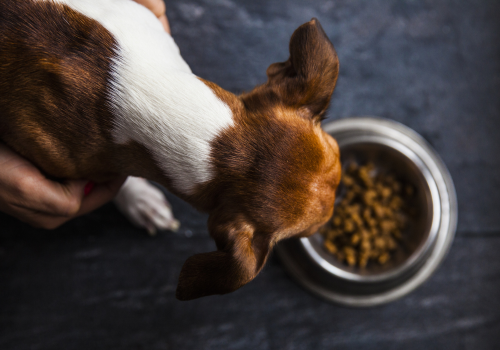
Choosing a food for your pet can be overwhelming because there are so many options available. While many diets have positive attributes, some companies invest significantly more in nutritional research, quality control, feeding trials, and veterinary expertise than others. In general, we recommend choosing foods from larger, research-based companies that employ veterinary nutritionists and have a long history of formulating balanced diets.
An important distinction to understand is the difference between a diet that is formulated to meet nutritional standards and one that has undergone feeding trials. A formulated diet is created using nutrient profiles and computer analysis to ensure it contains the required nutrients on paper. While this is an important starting point, it does not tell us how well those nutrients are absorbed, how palatable the food is, or whether dogs truly thrive on the diet long-term. Feeding trials go a step further by actually feeding the diet to dogs under controlled conditions and monitoring their health over time. This helps ensure the food supports normal growth, maintenance, and overall well-being. For this reason, we generally recommend diets from companies that invest in feeding trials and nutritional research. We prefer diets that have been fed to real dogs and proven to support health rather than diets that simply meet nutrient requirements when analyzed by a computer program.
There are also prescription diets that are specifically designed to help manage certain medical conditions, such as kidney disease, food allergies, urinary issues, obesity, and gastrointestinal disorders. These diets are backed by research and can play an important role in your pet's overall treatment plan.
One trend we do not recommend is feeding grain-free or gluten-free diets unless there is a specific medical reason to do so. The vast majority of dogs do not have gluten sensitivities, and grain-free diets have been associated with an increased risk of a serious heart condition called dilated cardiomyopathy (DCM). For most pets, grains are a healthy and valuable source of nutrients.
We also do not recommend feeding raw diets. Raw meat can be contaminated with bacteria such as Salmonella, E. coli, and Listeria, which can pose health risks to both pets and people. Although raw diets are often marketed as providing health benefits, these claims have not been consistently supported by scientific research. Because the risks of bacterial contamination are well documented, we believe the potential risks of feeding a raw diet far outweigh any proposed benefits.
Table food should be given sparingly, if at all. Many pets quickly learn that people food tastes better than their regular diet and may begin refusing their dog food in hopes of receiving table scraps. In addition, many human foods are high in fat, calories, or sodium, which can contribute to obesity and other health problems.
Home-cooked diets can be a good option for some pets, but they are much more complicated than simply cooking meat and vegetables. Dogs and cats require precise amounts of vitamins, minerals, amino acids, fatty acids, and other nutrients. Even small deviations from a properly formulated recipe can lead to nutrient deficiencies or excesses over time. If you are interested in preparing a home-cooked diet for your pet, we strongly recommend consulting with a board-certified veterinary nutritionist or using Balance IT to ensure the diet is complete and balanced. It is critical to use the exact ingredients and exact amounts specified in the recipe, as substitutions can alter the nutritional balance of the diet.
Your veterinarian is an excellent source of nutritional information. We stay up to date on current nutritional research and frequently consult with board-certified veterinary nutritionists, toxicologists, and the nutrition teams at major pet food companies when we have questions about a specific patient's needs. Nutrition is a critical part of your pet's health, and we're always happy to help you choose the best diet for your individual pet.
When would my dog need a prescription diet?
A prescription diet is typically used when conditions arise, although we can sometimes use it as a preventative measure in some dogs. For example, if your dog has joint issues, there are prescription diets with certain things like glucosamine and chondroitin that lubricate the joints. Also, diabetic or overweight dogs can benefit from food with higher protein and lower carbohydrates that make them feel full. Many veterinarians recommend those kinds of prescription diets because weight gain is one of the biggest issues we see in veterinary medicine, and obesity can shorten your dog's life by two years. Older dogs often get kidney issues and may also need a prescription diet to help with that.
Go with your gut—if something seems off about your dog's nutrition, consult your veterinarian immediately, as getting them on the right nutrition path is crucial to their development and quality of life.
If you live in or near Toms River, NJ, and are looking for quality pet care, come visit us at SAVA Animal Hospital where your pet is our priority. Contact us at (732) 244-3344 to set an appointment, or email us at [email protected]. Our staff would love to talk with you! Don't forget to follow us on social media: Facebook, Instagram.